Clogged gutters aren't just annoying. They rot fascia, flood basements, and cost you thousands in water damage.
South Carolina's climate brings heavy rain and thick deciduous leaf fall, especially in spring and fall. Without gutter protection, your gutters clog fast with leaves and debris, and that standing water backs up into your fascia and foundation. A gutter guard system keeps your gutters clear year-round, so rainwater flows where it's supposed to instead of pooling and causing water damage.
South Carolina homeowners deal with frequent afternoon thunderstorms that dump inches of rain per hour. When your gutters are clogged, that water has nowhere to go but over the edge or back into your home. Installing gutter guards means you skip the constant cleanup and the risk of clogs that lead to expensive repairs. You get peace of mind knowing your gutter system is doing its job, even during the heaviest downpours.
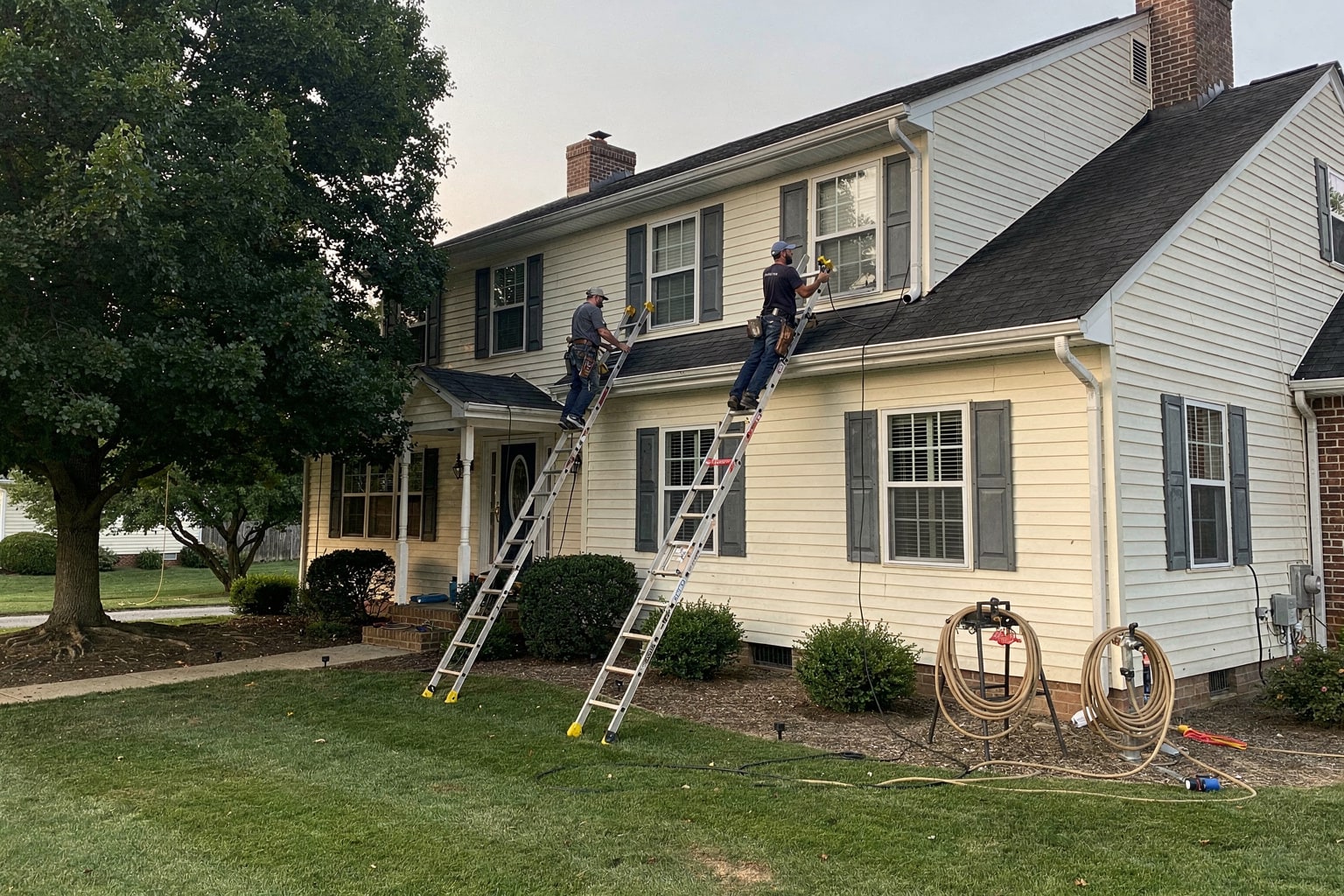
We install gutter guards in cities and towns across South Carolina, from the coast to the upstate. Whether you're dealing with pine needles, leaves, or the kind of rain that comes with South Carolina weather, we've got crews ready to protect your home with a gutter protection system that works.
The best feedback comes from customers who've lived through a full season with gutter guards installed. After pine needles, leaves, and South Carolina weather have tested the system, you get real answers about whether the gutter protection actually works.
Mark T., Charleston
I was cleaning gutters every month before we installed gutter guards. Now I haven't been up a ladder in two years. The system handles our spring storms without pooling water, and I haven't had a single clog.
Jennifer and David W., Greenville
We got a free estimate and weren't expecting much, but the crew showed us exactly how the gutter helmet system would work on our roof pitch. They installed it on a Saturday. That was three years ago. Zero maintenance.
Robert H., Summerville
My gutters were always backing up during heavy rain. The drainage problem was driving me crazy. After installation, water moves through the system the way it's supposed to. No more standing water, no more damage risk to the house.
Pine needles are the real problem in South Carolina. They're small, they pack tight, and they slip right past most guards. Oak leaves are easier to handle, but when they break down they turn into sludge that clogs the system anyway. A quality gutter helmet system handles both better than cheaper mesh guards, but nothing stops 100% of debris—you'll still need occasional cleaning, just way less often than without protection.
Most lifetime warranties cover defects in the material and workmanship, not wear from weather or debris buildup. That means if your gutter guard rusts through or the bracket fails, you're covered. What they don't cover is regular maintenance—you still need to keep the downspout clear and remove heavy debris buildup after storms. Read the fine print before you buy, because warranty terms vary a lot between brands.
The math depends on how often you'd clean without them. If you're cleaning gutters twice a year, a gutter protection system pays for itself in three to five years. South Carolina homeowners typically spend $150 to $300 per cleaning visit—add that up over a decade and gutter guards start looking pretty smart. You'll still need one or two cleanings a year instead of four or five, so you're cutting your costs in half, not eliminating them entirely.
Ice dams aren't really a South Carolina problem. You get the occasional freeze, but you're not dealing with the deep winter that causes ice backup in northern states. Gutter guards help with drainage during heavy rain, which matters more here—South Carolina gets significant rainfall and afternoon thunderstorms that dump a lot of water fast. That's where gutter protection actually helps you.
Free estimate includes a full gutter inspection. No obligation.
Request an estimate Call (800) 555-1234We also serve these communities across the state